
BlindSite Scene has proven to be a highly versatile forensic imaging solution. Thanks to its hyperspectral sensitivity, it can reveal evidence that would otherwise remain invisible to the naked eye, while maintaining completely non-contact and chemical-free workflows.
One successful application is the visualization of hidden or degraded tattoos, a technique that has already been used by law enforcement agencies in Mexico and the United States to assist in the identification of decomposed bodies.
However, BlindSite's applications extend far beyond human identification.
Recently, we had the opportunity to collaborate with Aaron Flint from the Rural Crime Action Team at Lincolnshire Police. During this visit, BlindSite was tested on a range of CITES-protected items that had been seized by border authorities as part of wildlife crime investigations. The findings demonstrated the potential for BlindSite to support evidence recovery from challenging surfaces without physically treating or altering valuable exhibits.
In Aaron’s words:
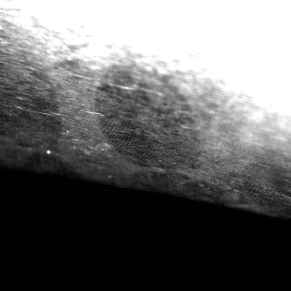
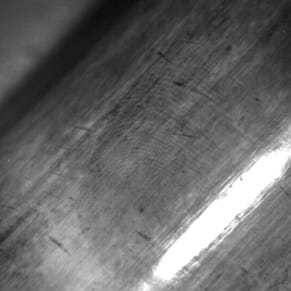
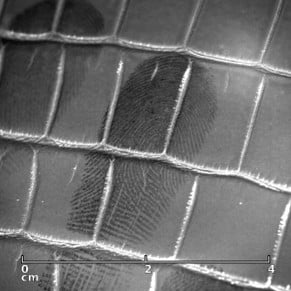
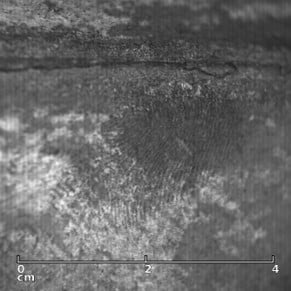
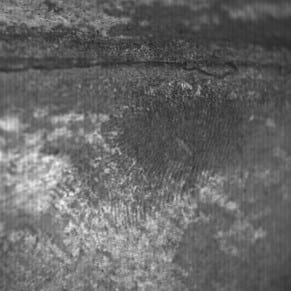
“The camera is able to pick up fingerprints on Ivory and Rhino horn etc without the need to dust in the traditional way, the camera can literally be pointed at the item, and fingerprints that are invisible to the naked eye can be revealed”
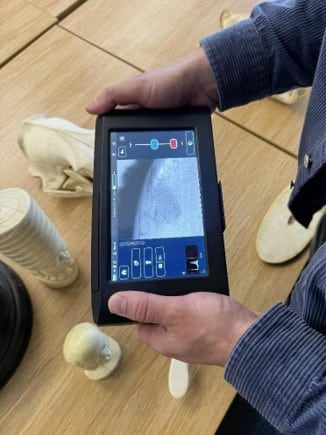
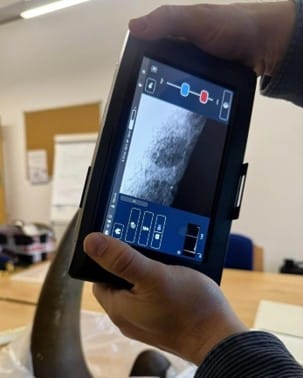
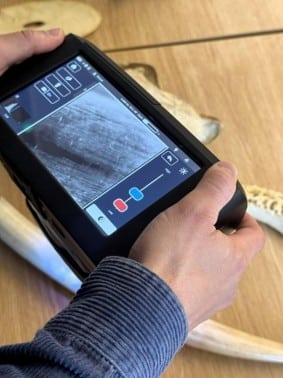
During the testing, our team successfully recovered fingermark evidence from a variety of exhibits, including:
- Rhino horn
- Elephant tusks
- Ivory artefacts
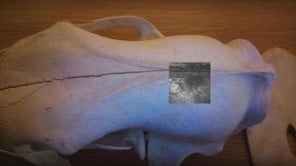
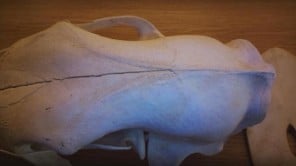
- Mammal skulls
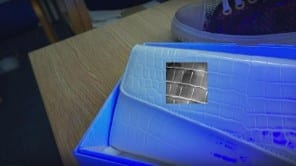
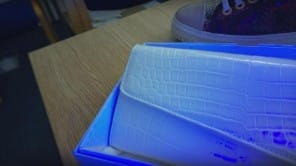
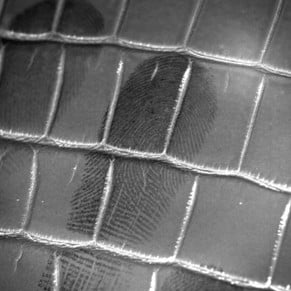
- Crocodile leather goods
In addition to evidential imaging, BlindSite automatically generates supporting contextual information with every capture, helping investigators document evidence accurately and efficiently.
Each capture includes:
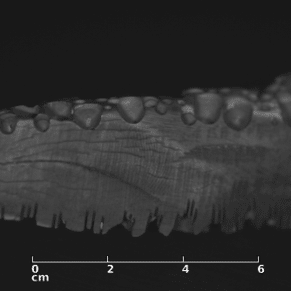
- Enhanced evidence image using the selected imaging settings
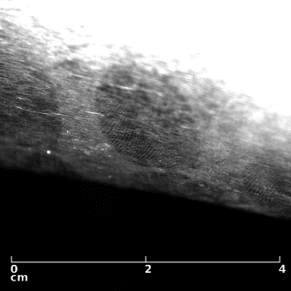
- Digital scale bar overlay, eliminating the need for physical rulers and maintaining a non-contact process
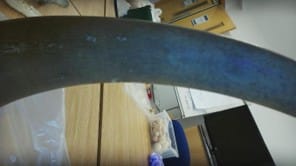
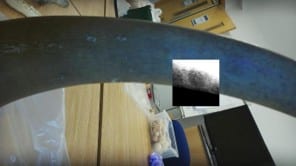
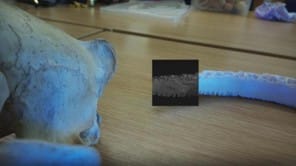
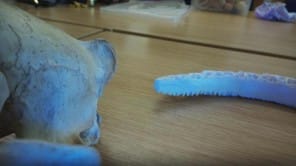
- Scene overview image captured by the integrated colour camera providing context
- Evidence location overlay, showing precisely where the evidence was located within the scene
Relevant captures are detailed below organized by items:
RHINO HORN – FINGERMARK
ELEPHANT TUSK – FINGERMARK
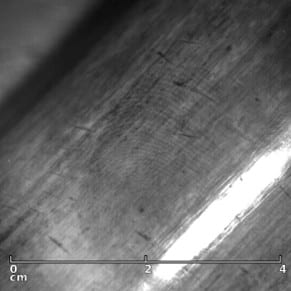
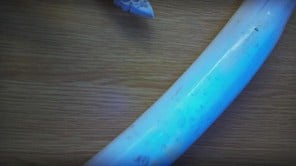
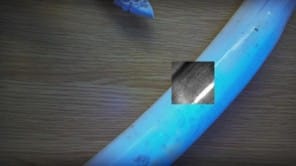
ELEPHANT TUSK ARTIFACT – FINGERMARK AND SCHREGER PATTERN
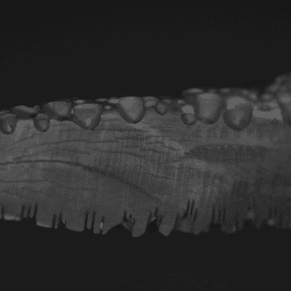
CROCODILE LEATHER PURSE – FINGERMARKS
MAMMAL SKULL – FINGERMARK
Expanding Applications in Wildlife Crime
Opportunities such as this continue to broaden our understanding of how BlindSite can be applied across different disciplines. By working directly with law enforcement agencies and specialist crime units, we gain valuable knowledge into the operational challenges investigators face, while exploring new ways in which our technology can support frontline investigations.
The ability to recover fingermark evidence from sensitive CITES items without powders, chemicals, or physical contact offers an exciting opportunity for wildlife crime investigators, particularly when dealing with rare, protected, or high-value exhibits.
As BlindSite continues to expand into this field, we are also looking forward to attending the 37th Annual Wildlife Crime Conference. The event provides an important opportunity to learn and better understand the challenges facing wildlife crime investigations, and to identify how we can contribute to protect endangered species and supporting the investigators working to combat wildlife crime.
Additional images from this testing can be viewed in our gallery.